How Mold Inspection and Mold Testing Usually Work
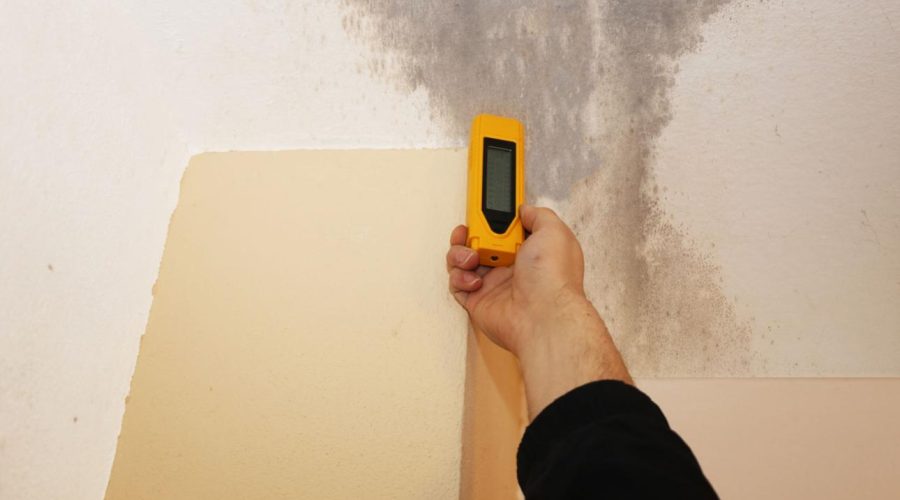
A typical mold inspector will start with a visual mold inspection. They look for:
- Stains on walls or ceilings
- Signs of water damage
- Visible mold growth
- Areas with high moisture
After that, they may suggest mold testing, which includes:
- Air sampling
- Surface swabs
- Lab analysis
These steps can confirm that mold exists in the home. But here is the issue.
They do not always show where the mold is growing.
Without knowing the source, fixing the problem becomes a guessing game.
Why Traditional Mold Inspection Often Misses Hidden Mold
Mold Hiding in Hard-to-Reach Areas
Mold does not stay out in the open. It grows in places you cannot easily see.
Common hidden mold areas include:
- Behind drywall
- Under carpet or flooring
- Inside crawl spaces
- Behind cabinets
- Inside HVAC systems
A standard mold inspection may not detect these areas unless there is clear visible damage.
Air testing can also miss the mark because:
- Airflow changes results
- Mold spores are not always active in the air
- Results can vary from room to room
So even after mold testing, you might still not know where the real issue is.
How a Mold Sniffing Dog Solves the Problem
Accurate Detection with a Mold Sniffing Dog
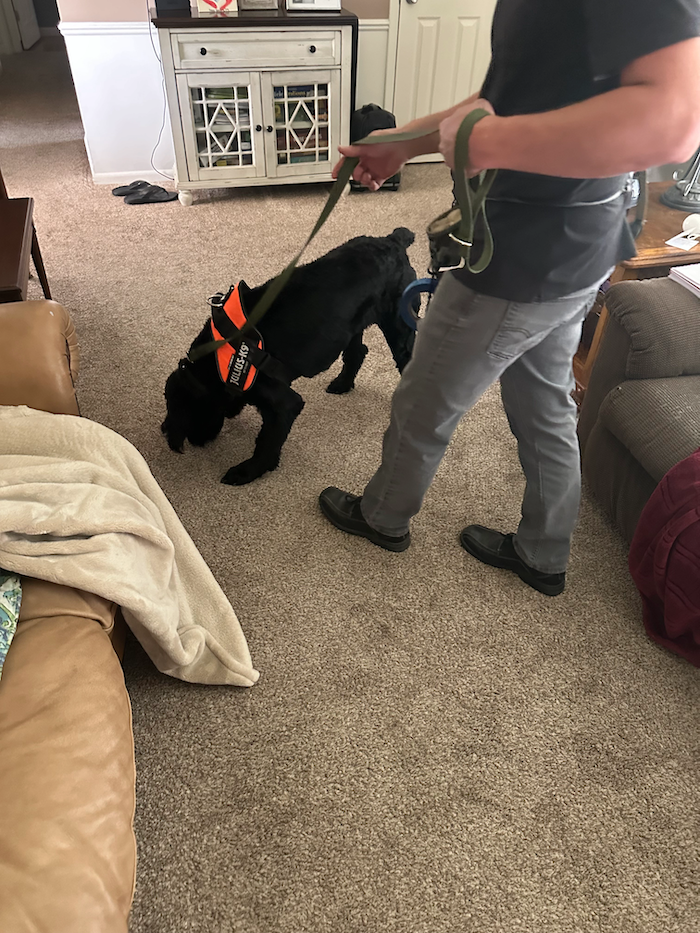
A mold sniffing dog is trained to detect the exact scent of mold at its source.
Instead of relying on sight or air samples, the dog uses its sense of smell to locate mold with precision.
Here is what makes this approach powerful:
- Detects mold behind walls without cutting them open
- Finds hidden moisture problems quickly
- Identifies exact locations instead of general areas
- Works in real time with no waiting for lab results
This turns mold inspection into a direct and targeted process.
You are no longer guessing. You are finding.
Benefits of Using a Mold Inspector with a Mold Sniffing Dog
Homeowners are choosing this method because it solves real problems.
Clear answers
- Know exactly where the mold is located
Faster results
- No waiting days for lab reports
Lower costs
- Avoid unnecessary repairs and demolition
Less stress
- No confusion from unclear testing results
Better planning
- Fix the source instead of chasing symptoms
When you combine a trained mold inspector with a mold sniffing dog, you get a complete and accurate picture of the problem.
When to Choose a Mold Sniffing Dog Inspection
This method is ideal when:
- You smell mold but cannot see it
- You have had water damage in the past
- Mold testing results were unclear
- You want to avoid expensive trial and error repairs
- You are buying or selling a home and need certainty
In these situations, traditional mold inspection may not give you the answers you need.
A mold sniffing dog can.
FAQ About Mold Inspection and Mold Sniffing Dogs
Is mold testing still needed after a mold sniffing dog inspection?
In many cases, no. The goal is to find the source. Testing may be used later for documentation if required.
How accurate is a mold sniffing dog?
Trained dogs are highly accurate and can detect mold in places people cannot access.
Will this damage my home?
No. The process is non invasive and does not require opening walls unless needed.
Is this faster than traditional mold inspection?
Yes. Results are immediate and focused on exact locations.
The Smarter Way to Handle Mold Problems
Traditional mold inspection and mold testing can confirm that mold exists. But they often fail to show where it is hiding.
That leads to wasted time, higher costs, and ongoing frustration.
A mold sniffing dog changes everything by giving you clear and direct answers.
If you want to solve the problem instead of chasing it, this is the smarter approach.
Ready to find the source of your mold problem and stop guessing? Contact a professional mold inspector with a mold sniffing dog today and get real answers fast.