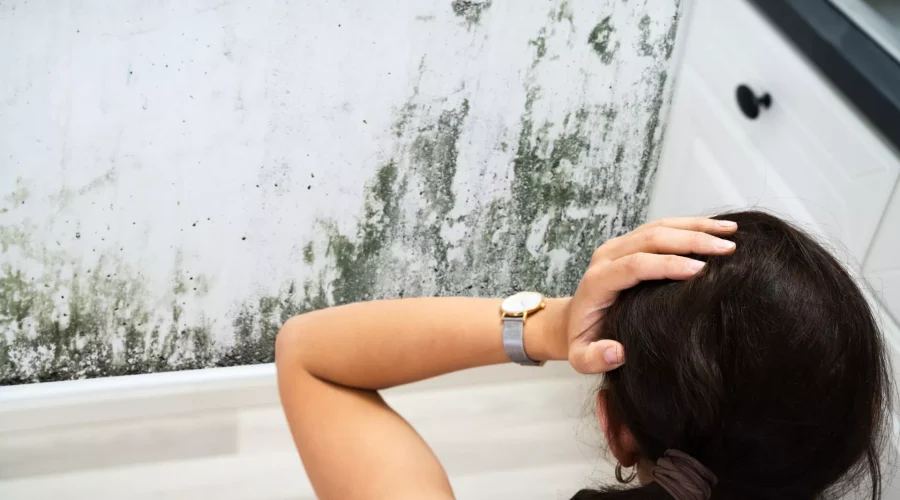
You paid to have the mold removed. The walls were cleaned, damaged materials were replaced, and the musty smell seemed to disappear. Then, a few weeks or months later, the stains or odor returned.
This can leave you feeling frustrated and unsure about what to do next.
Mold often comes back when the condition that allowed it to grow was never fully corrected. Mold needs moisture to grow, so cleaning the surface may only provide temporary relief if water is still entering the area. The Environmental Protection Agency explains that mold can return after even a good cleanup if the original water problem has not been solved.
A professional mold inspection can help you look beyond the visible stain and understand what may be happening inside your home.
The Moisture Source Was Never Fully Repaired
Moisture is one of the most common reasons mold returns after remediation. A slow plumbing leak, damaged roof, wet foundation, or poorly ventilated bathroom may continue feeding mold growth without creating an obvious puddle.
The surface may feel dry while moisture remains inside drywall, insulation, flooring, or wood. Mold can then begin growing again in the same location or spread into a nearby area.
Common moisture sources include:
- Leaking pipes behind walls
- Roof or window leaks
- Wet basements and crawl spaces
- High indoor humidity
- Condensation around air ducts
- Poor bathroom ventilation
- Water trapped beneath flooring
- Past flooding that was not dried correctly
The Centers for Disease Control and Prevention recommends fixing leaks and keeping indoor humidity no higher than 50 percent to help control mold growth. Air conditioners, exhaust fans, and dehumidifiers may also help lower moisture levels.
Before treating recurring mold again, the moisture source should be found and corrected.
Hidden Mold May Have Been Missed
Remediation often focuses on areas where mold can be seen. However, visible mold may only be one part of the problem.
Mold can grow in dark, damp spaces that are difficult to inspect. It may be behind drywall, under carpeting, beneath cabinets, inside wall cavities, or around plumbing connections. If those hidden areas are missed, spores and odors may continue after the visible growth is removed.
You may have hidden mold when:
- A musty smell remains after remediation
- Mold returns in the same general area
- Paint continues to bubble or peel
- Walls or floors feel damp
- A room smells worse after rain
- Family members notice irritation in one area of the home
- The property has a history of leaks or flooding
Mold Canine uses a trained mold detection dog to help locate areas of possible mold growth. The dog can search the property and alert the handler to specific locations that may need further investigation. This targeted approach may help homeowners stop guessing and focus additional testing or inspection on suspicious areas.
Contaminated Materials May Still Be Present
Some household materials are porous, meaning they can absorb water and allow mold to grow beneath the surface. Cleaning the top of these materials may not always remove contamination that has spread deeper inside.
Porous materials can include:
- Drywall
- Insulation
- Ceiling tiles
- Carpeting and carpet padding
- Upholstered furniture
- Wood products
- Cardboard and paper
The EPA notes that absorbent materials may need to be discarded when they become moldy because mold can fill the small spaces inside them and may be difficult to remove completely.
Mold may also return if damaged materials were covered with paint or new flooring before they were completely dry. Covering the stain does not remove the moisture or mold beneath it.
A detailed mold inspection may help determine whether the recurring problem is connected to a material that was left behind.
How Professional Mold Testing Can Help
Professional mold testing provides more information than a basic visual check. Depending on the property and the reason for the inspection, the process may include air samples, surface samples, moisture readings, and laboratory analysis.
Testing may help:
- Confirm whether mold is present in a suspicious area
- Identify possible hidden problem locations
- Compare indoor and outdoor air samples
- Document conditions before remediation
- Check conditions after remediation
- Give a remediation company clearer information
- Reduce unnecessary demolition and repairs
A professional mold inspection is especially useful when the source cannot be seen or when mold has returned after previous work.
Mold Canine adds another layer to the search by using canine scent detection to locate specific areas of concern. Once an alert location has been identified, targeted mold testing may be performed to gather more information. This can help avoid random testing throughout the property and may make the next steps more focused.
The goal is not simply to prove that mold exists. The goal is to locate the source, understand the conditions supporting growth, and provide useful information for a proper cleanup plan.
Frequently Asked Questions About Recurring Mold
Does returning mold mean remediation failed?
Not always. Mold may return because a new leak developed, humidity increased, or another hidden area was not included in the original remediation. A new inspection can help determine what changed.
Can I clean recurring mold myself?
Small areas on hard surfaces may sometimes be cleaned with detergent and water, followed by complete drying. Larger areas, repeated growth, or mold caused by serious water damage may require professional help. Never mix bleach with ammonia or other cleaning products.
Is mold testing needed after remediation?
Testing may be helpful when you want added documentation, continue to notice odors, or are unsure whether the affected areas were properly addressed. The right approach depends on the property and the size of the original problem.
Can mold grow without a visible water leak?
Yes. Mold may grow because of humidity, condensation, poor airflow, or small leaks hidden behind building materials.
What should I do when mold keeps returning?
Avoid repeatedly painting or cleaning over the same spot. Look for signs of moisture and schedule a professional mold inspection to investigate the surrounding area.
Stop Treating the Same Mold Problem Again and Again
Recurring mold is a sign that something may still be happening beneath the surface. Cleaning the stain may improve how the area looks, but long term control starts with locating the moisture source and identifying any hidden growth.
Mold Canine can help search your property for specific areas of possible mold activity. With a trained mold detection dog and targeted professional mold testing, you can gain clearer information before spending more money on repairs or another round of remediation.
Book a mold inspection with Mold Canine today and take the next step toward finding the source of your recurring mold problem.