Mold isn’t something you want to mess around with. When it shows up in your home or business, it can damage your property, impact your health, and cost you thousands if you ignore it. That’s why mold testing Utah services are so important. Whether you’ve noticed a musty smell, had recent water damage, or just want peace of mind, getting a professional inspection can make all the difference.
Below, you’ll find an easy, clear guide designed to help Utah homeowners and business owners understand mold testing, how it works, and how to choose the right expert for the job.
Why Mold Testing Matters in Utah’s Climate
Even in a dry state like Utah, mold is still a major problem. Humidity pockets inside homes, plumbing leaks, poor ventilation, and older basements create the perfect environment for mold to grow.
How Utah’s Dry Climate Still Creates Mold Risks
Utah may be known for its desert weather, but homes here can still trap moisture. Basements often hold cool, damp air. Swamp coolers create indoor humidity. And winter snowmelt can seep into walls and floors. All of these conditions raise the risk of mold growth.
When the air inside your home or business holds more moisture than the air outside, mold spores can spread fast. This is where a Utah mold inspection becomes important. It helps catch hidden issues early.
Signs You May Need Professional Mold Testing
You might need testing if you notice:
- A strong musty smell
- Recent leaks or water damage
- Headaches or allergies that get worse indoors
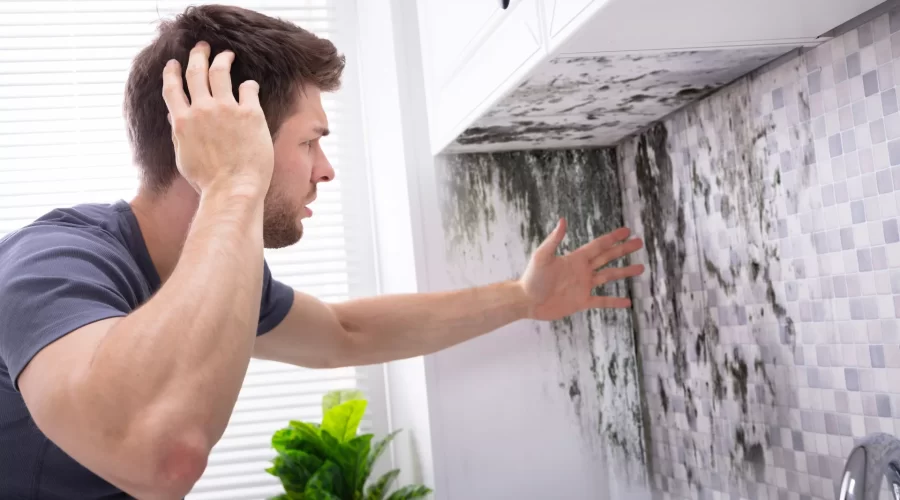
- Dark spots on walls, ceilings, or floors
- Condensation on windows
- Employees or family complaining of breathing problems
These signs usually mean it’s time to call a Utah mold inspector who can run a full assessment and confirm what’s going on.
What Happens During a Professional Mold Test in Utah
Knowing what to expect takes the stress out of the process. Mold testing is straightforward, and a skilled inspector will guide you every step of the way.
Step-by-Step Breakdown of a Utah Mold Inspection
During a mold testing Utah appointment, most inspectors follow a process like this:
- Visual inspection – They look for visible mold, staining, and moisture.
- Moisture mapping – Tools like infrared cameras and moisture meters help find hidden water.
- Air sampling – Collects air particles to measure mold spore levels.
- Surface swabbing – Tests visible growth or suspicious areas.
- Lab testing – Samples are sent to a certified lab for analysis.
- Report and explanation – You get a clear breakdown of the findings.
This process helps confirm not only if mold is present, but what type it is and how serious the problem may be.
Types of Mold Tests Your Inspector May Use
Your inspector may recommend:
- Air quality tests – Measure airborne spores.
- Surface samples – Swabs from suspicious spots.
- Tape lifts – For visible mold on walls or furniture.
- ERMI tests – More advanced DNA-based sampling for deeper analysis.
Each method provides different information, and your inspector will choose the right mix based on the situation.
Common Mold Types Found in Utah Homes and Businesses
Some molds are more common than others in Utah:
- Aspergillus – Often found in HVAC systems.
- Penicillium – Grows after water damage.
- Cladosporium – Can grow in warm or cool places.
- Stachybotrys (black mold) – Often linked to long-term moisture.
Identifying the mold type helps determine the health risks, the cleanup plan, and how to prevent future growth.
Choosing the Right Utah Mold Inspector
Not all inspectors are created equal. If you’re going to trust someone with your home, health, or business, you want someone who truly knows what they’re doing.
What Certifications to Look For
A reliable inspector should have certifications such as:
- IICRC (Institute of Inspection Cleaning and Restoration Certification)
- NORMI (National Organization of Remediators and Mold Inspectors)
- Building science or moisture management training
These show they’re trained in safe, accurate mold testing practices.
Questions to Ask Before Hiring
Here are smart questions to ask:
- What testing methods do you use?
- How soon will I get my results?
- Will I receive a written report?
- Do you offer remediation, or do you stay independent?
- What is your pricing structure?
Choosing someone who is transparent and knowledgeable will give you confidence in the results.
Why Independent Testing Protects Homeowners and Businesses
Some companies offer both testing and remediation, which can create a conflict of interest. Hiring an independent testing company means you get unbiased results with no pressure to purchase cleanup services you don’t need. It’s a safer, more trustworthy approach.
What Mold Test Results Mean for Your Home or Business
Once your report comes back, you’ll want to understand what everything means. A good inspector will walk you through the data and help you understand your next steps.
How to Read Your Mold Report
Most reports include:
- Spore counts
- Types of mold found
- Indoor vs. outdoor comparisons
- Elevated or normal levels
- Moisture findings
The goal is to compare indoor mold levels to outdoor levels. If the indoor count is much higher, you likely have an active problem.
When Mold Remediation Is Needed
You’ll likely need remediation if:
- Spore counts are high
- Mold is visible
- People are having health symptoms
- There is active water damage
- The growth is spreading
A good inspector will clearly explain what is urgent and what can wait.
Preventing Mold From Returning
Once mold is removed, prevention becomes your best friend. You can reduce future mold growth by:
- Improving ventilation
- Keeping humidity low
- Fixing leaks quickly
- Using exhaust fans in kitchens and bathrooms
- Scheduling regular inspections
Utah homes benefit from seasonal checks, especially in spring and fall.
Why Testing Saves Money Long-Term
Catching mold early helps avoid:
- Structural repairs
- Replacing drywall or flooring
- Health-related costs
- Business downtime
A simple test often saves thousands of dollars later.
Protect Your Home or Business With Reliable Mold Testing Utah
Mold problems can feel overwhelming, but you don’t have to handle them alone. With the right testing and a trusted expert by your side, you can protect your family, employees, and property.
When to Schedule a Utah Mold Inspection
You should book a mold inspection when:
- You’ve had a leak or water damage
- You notice a musty smell
- Someone has unexplained allergies
- You’re buying or selling a property
- Your business has air quality concerns
Any of these situations is a smart time to reach out.
Your Next Steps
If you’re ready to get clear answers, reach out to a certified Utah mold inspector. They’ll help you find hidden issues, understand your air quality, and create a plan to keep your home or business healthy for the long run.