Hidden mold is one of the most frustrating problems for homeowners and business owners. You can clean your space, run air purifiers, open windows, and still deal with mystery odors, allergies, or moisture issues that don’t seem to go away. The truth is simple: mold can grow in places you’ll never see without special tools, or a specially trained dog.
This guide breaks down the top signs of hidden mold, explains why human senses often miss it, and shows how mold dog testing helps mold inspection experts pinpoint contamination before it spreads.
Why Hidden Mold Is a Bigger Problem Than You Think
Hidden mold is more common than most people realize. It thrives in tucked-away spots where air doesn’t circulate and moisture lingers. Even a tiny leak or a short-lived spill can create the perfect conditions for mold to start growing behind walls or under flooring.
How Mold Grows Behind Walls, Floors, and Ceilings
Mold only needs three things: moisture, warmth, and a food source like wood, drywall, carpet, or insulation. Once it settles in, it spreads quietly. Because these areas are sealed off, you won’t see the mold patches forming. By the time stains show on the surface, the problem may already be severe underneath.
Why Human Senses Aren’t Enough
Most people think mold has a strong, musty smell but not all mold gives off an odor. And even when it does, the smell can come and go depending on humidity or HVAC cycles. Many people also assume they’ll see mold if it’s there, but hidden mold stays… hidden. That’s why traditional visual inspections often miss it.
How Trained Dogs Find What We Can’t
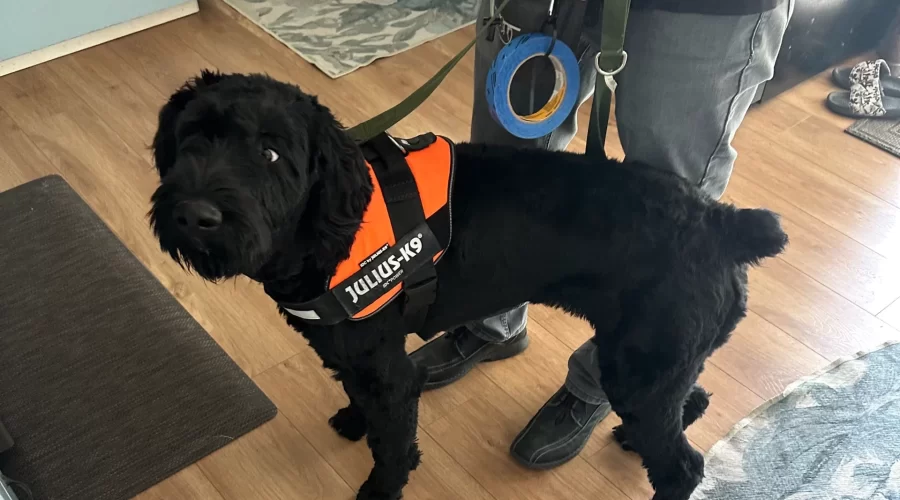
This is where K9 mold detection stands out. Mold detection dogs are trained to smell the exact scent of live mold growth. Their noses are thousands of times more sensitive than ours, which means they can pinpoint mold behind drywall, under flooring, inside crawlspaces, and even inside HVAC systems. Dogs don’t guess they alert only when they detect the real thing.
Top Signs You May Have Hidden Mold That Calls for a K9 Inspection
Hidden mold leaves clues. If you notice any of these signs, it may be time to bring in a trained mold dog and certified mold inspection experts.
Strange or Lingering Odors You Can’t Pinpoint
A musty or earthy smell that comes and goes is one of the biggest signs of hidden mold. If you can’t figure out where the smell is coming from, it may be behind surfaces and only a K9 can locate the exact spot.
Unexplained Allergy or Breathing Issues Indoors
If you or someone in your building feels stuffy, sneezy, headache-prone, or tired only when indoors, mold could be the cause. Many people don’t realize mold spores can spread through air and HVAC systems even if the mold itself is hidden.
Recent Water Damage, Even if “Cleaned Up”
Any moisture event can lead to mold:
- Leaky pipes
- Overflowing sinks
- Wet carpets
- Water heater issues
- Roof leaks
- Storm flooding
Even if the water dried, the mold may still grow inside the walls. A K9 inspection is especially helpful after water damage because dogs can detect mold before you ever see it.
Humidity or Moisture Problems in Certain Rooms
Rooms like bathrooms, laundry rooms, basements, and crawlspaces can hold moisture longer than the rest of the home. If you notice dampness, slow-drying towels, condensation, or general “wet” air, hidden mold could already be forming.
Stains, Warping, or Cracking in Walls or Flooring
Bulging walls, peeling paint, sagging floors, or discoloration are often late-stage signs of hidden mold. By the time the surface changes, there can be a large colony underneath. A K9 can pinpoint how far the issue has spread.
Higher Energy Bills or HVAC Issues
If mold grows inside ducts or near air-handling units, it can trap humidity, clog airflow, or force the system to work harder. If your energy bill jumps for no reason, mold may be part of the problem.
Why K9 Mold Detection Delivers More Accurate Results
K9 mold detection is one of the most precise ways to locate hidden mold. The dog’s job is simple: search, sniff, and alert. But the process behind their training is advanced.
How Mold Dogs Are Trained
These dogs learn how to detect very specific mold scents. They are trained with samples of live mold spores and learn to ignore dust, chemicals, old stains, dead mold, and other distractions. Their accuracy is impressive far beyond what the human nose or a basic moisture meter can detect.
Faster and More Targeted Than Traditional Mold Testing
Traditional testing often relies on guesswork. Inspectors take samples from areas they think might be a problem. But if the mold is in the wrong wall or under the wrong floorboard, testing won’t find it.
Dogs eliminate the guesswork. They lead inspectors straight to the source within minutes, saving time, money, and frustration.
Reducing Unnecessary Demolition
Without a K9, inspectors sometimes have to open multiple walls or floors to find hidden mold. With a trained dog, demolition is only needed where the dog alerts. This means less damage, lower cost, and a faster path to repairs.
Working With Professional Mold Inspection Experts
The best results come from pairing a mold detection dog with certified mold inspection experts. The dog identifies the location, and the inspector confirms it with lab testing, moisture checks, and thermal imaging. This one-two punch gives homeowners clear answers and a plan for next steps.
What to Expect During a K9 Mold Inspection
Many people picture a K9 inspection as complicated, but it’s actually simple and smooth.
Step-by-Step Overview
- The inspector arrives with the trained dog.
- You walk them through any concerns or rooms with issues.
- The dog begins a full sweep of the building.
- When the dog detects mold, it alerts the inspector.
- The inspector marks each alert location for testing.
- Samples are sent to a lab to confirm what type of mold is present.
- You receive a full report and recommendations.
Areas the Dog Will Inspect
A trained mold detection dog can check:
- Walls
- Ceilings
- Floors
- Baseboards
- Ducts and vents
- Closets
- Crawlspaces
- Storage rooms
- Furniture
- HVAC areas
They can even alert to mold behind large appliances or inside cabinets without touching anything.
How Results Are Confirmed
Once the dog alerts, the inspector uses professional tools to confirm the presence of mold. Air samples, swab samples, and moisture readings help show the type of mold and how severe it is.
How Long the Process Takes
Most homes take 60–90 minutes. Larger commercial buildings may take longer, but K9 inspections are still much faster than traditional testing alone.
When You Should Call a Mold Detection Dog
If you’re unsure whether to schedule a K9 inspection, these situations are clear signs that it’s time.
After Any Water Intrusion Event
Even small leaks can lead to big mold problems, fast.
Before Buying or Selling a Property
A K9 inspection protects both buyers and sellers from surprises.
If You Suspect Mold but Can’t Find the Source
This is the #1 reason people call mold inspection experts with K9 teams.
When Traditional Mold Testing Was Inconclusive
If previous tests came back unclear, a K9 inspection can give the exact answers you need.
Protecting Your Home or Business With K9 Accuracy
Hidden mold can be a major threat to your building and your health, but early detection changes everything. Using trained mold detection dogs gives you a level of accuracy no human method can match. When combined with certified mold inspection experts, you get clear answers and a path to safe, clean, mold-free living.
If you think mold may be hiding somewhere in your home or business, don’t wait for the problem to grow. A K9 mold inspection is one of the smartest, fastest, and most reliable ways to protect your property.