A flooded basement can leave behind more than damaged flooring and wet boxes. Even after the water is removed and the floor feels dry, moisture may remain inside walls, under carpet, behind baseboards, or beneath stored items. These hidden damp areas can create the right conditions for mold growth.
Professional mold detection can help homeowners understand what may be happening beyond the surface. A trained mold inspection dog can search large areas quickly and alert to possible mold odors without opening walls or tearing apart the basement.
If your basement recently flooded, waiting for visible mold to appear may allow the problem to spread. An early inspection can help you locate areas that may need closer testing, drying, or professional attention.
Why a Dry Basement Floor Can Be Misleading
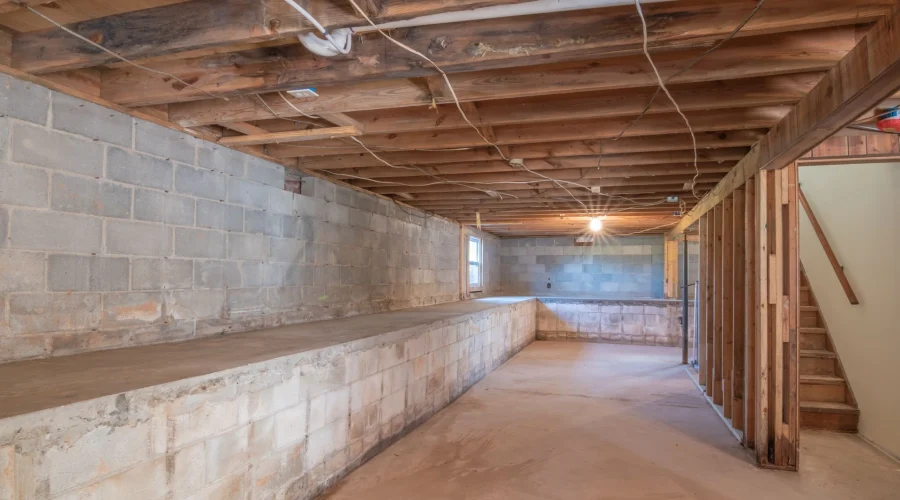
A basement floor may look dry within a few days after a flood. However, that does not mean the entire space is free from moisture. Concrete, wood framing, drywall, insulation, and carpet padding can absorb water and hold it longer than expected.
Water can also travel into areas that are difficult to see. It may move behind finished walls, under cabinets, or into small cracks near the foundation. These areas may stay damp even when the room looks normal.
Basements often have limited airflow and lower temperatures. This can slow the drying process and allow moisture to remain trapped. If a dehumidifier or air mover was not used correctly, some materials may still contain enough moisture to support mold growth.
A musty smell may be one of the first warning signs. In other cases, there may be no smell or visible stain at all. This is why professional mold detection may be helpful after a basement flood, even when cleanup appears complete.
Where Mold May Hide After Basement Flooding
Mold does not always grow in an open area where it can be seen. It often develops in dark, damp spaces that homeowners rarely inspect.
Common hiding places after a basement flood include:
- Behind drywall and wood wall panels
- Under carpet, laminate, or vinyl flooring
- Inside insulation and wall cavities
- Around baseboards and lower wall framing
- Beneath furniture, boxes, and storage shelves
- Near sump pumps, drains, and foundation cracks
- Inside cabinets or finished basement closets
- Around HVAC equipment and air ducts
These areas may remain wet longer than the center of the room. They may also receive less airflow during the drying process.
Removing standing water is only the first step. Wet materials must also be dried fully. Porous items such as carpet padding, insulation, cardboard, and some types of drywall may be difficult to save after heavy flooding.
A mold inspector can help identify areas that deserve more attention. This allows homeowners to focus on possible problem spots instead of guessing or removing materials throughout the entire basement.
How K9 Mold Detection Helps Locate Hidden Concerns
A trained mold detection dog uses its strong sense of smell to search for odors linked to mold. The dog works with a trained handler who guides the search and watches for alerts.
During an inspection, the dog may check walls, flooring, cabinets, stored items, and other areas of the basement. If the dog detects a possible mold odor, the handler marks the location for further review.
This method is fast and non-invasive. In many cases, the inspection can narrow down possible mold locations without cutting into walls or lifting large sections of flooring.
K9 mold detection does not replace laboratory testing or professional remediation. Instead, it helps identify areas where additional investigation may be useful. Surface or air samples may then be collected when needed to confirm the type or amount of mold present.
K9 Mold Dog Inspection provides an independent search for possible mold sources. The goal is to help property owners receive clearer information before deciding what steps to take next.
Warning Signs You May Need a Mold Inspector
Not every basement flood leads to a serious mold problem. However, certain signs may indicate that moisture was not fully removed.
Consider contacting a mold inspector if:
- The basement has a new or ongoing musty odor.
- Water remained in the basement for an extended period.
- Drywall, carpet, or insulation became soaked.
- Paint is bubbling, peeling, or changing color.
- Baseboards or wood materials appear swollen.
- Indoor humidity remains high after cleanup.
- Family members notice irritation when spending time downstairs.
- The basement has flooded more than once.
- You are unsure whether hidden areas dried completely.
You may also want an inspection before remodeling or replacing flooring. Installing new materials over a hidden moisture problem can trap mold underneath and make future repairs more expensive.
A professional inspection gives you a better understanding of the basement before you invest in new walls, carpet, furniture, or storage systems.
What to Do After a Basement Flood
Safety should come first after any flood. If water has reached electrical outlets, appliances, or the electrical panel, avoid entering the area until it has been checked by a qualified professional.
Once the area is safe, standing water should be removed as soon as possible. Wet belongings should be moved out of the basement so they can be cleaned, dried, or discarded. Fans, air movers, and dehumidifiers may help reduce moisture when used correctly.
Homeowners should also check the source of the flooding. The problem may have come from heavy rain, a failed sump pump, a plumbing leak, poor drainage, or a foundation issue. Fixing the source is important because mold may return if water continues entering the basement.
Avoid painting over stains or covering damaged areas before the basement has been inspected. A fresh coat of paint may hide signs of moisture without solving the cause.
After the initial cleanup, scheduling mold detection can help determine whether possible mold odors remain in hidden areas. This can provide valuable guidance before restoration work begins.
Book Professional Mold Detection After a Basement Flood
A dry floor can offer relief after a basement flood, but it does not always tell the full story. Water may still be trapped behind walls, beneath flooring, or inside damaged building materials.
K9 Mold Dog Inspection uses a trained mold detection dog to search for possible hidden mold sources in a fast and non-invasive way. The inspection can help narrow down areas of concern so you can make informed decisions about testing, cleanup, and repairs.
Do not wait for visible mold to spread across your basement. Contact K9 Mold Dog Inspection to schedule professional mold detection and gain a clearer picture of what may be hiding after the water is gone.