Mold doesn’t show up overnight. It grows, spreads, and hides long before you notice the smell or the spots on the wall. Most homeowners and business owners don’t realize how fast mold can move inside a building until the damage is already serious.
When you understand how mold spreads and what early signs to watch for, you can stop it before it becomes a major health and property issue. This guide breaks down mold growth in simple, clear steps so you can stay ahead of it and protect your building.
Why Mold Spreads So Easily Indoors
Indoor spaces create the perfect environment for mold to thrive. Once mold has moisture, organic material, and the right temperature, it grows quickly and it doesn’t take long for it to turn into a bigger problem.
Mold Needs Only a Little Moisture
Even a small amount of water is enough to fuel mold growth. That includes:
- A slow plumbing leak
- Humid bathrooms
- Basements with poor ventilation
- A drip from an HVAC line
- A spill that wasn’t fully dried
It doesn’t have to be a flood. A tiny wet spot that stays damp for 24-48 hours can start a mold colony.
Mold Likes the Same Temperatures That Humans Do
Most strains of indoor mold grow best between 60-80°F, which is the same range we keep our homes and offices. That’s why indoor mold can survive year-round.
How Mold Spores Travel Throughout a Building
Once mold begins growing, it doesn’t stay in one spot. It spreads by releasing tiny spores, too small for the human eye to see, that travel through the building and settle anywhere they find moisture.
Spores Move Through the Air
Air movement helps mold spread faster. Spores travel through:
- HVAC systems
- Fans
- Open doors
- Foot traffic
- Drafts and natural airflow
Anywhere air moves, mold spores move too.
Spores Spread Through Soft Materials
Soft surfaces absorb mold spores like a sponge. Watch out for:
- Carpet
- Upholstery
- Clothing
- Curtains
Once spores are inside these materials, they’re harder to remove and can continue to grow.
Mold Spreads Quickly in Hidden Spaces
Some of the biggest mold problems happen where you can’t see them:
- Behind walls
- Under flooring
- Inside crawlspaces
- Around window frames
- Inside attic insulation
- Inside ductwork
Hidden mold can spread for weeks or months without being noticed, especially after a minor leak.
The Early Warning Signs of Mold Growth
Catching mold early is the key to stopping major damage. Mold typically gives off signals before the visible patches show up.
A Musty, Damp Smell
That classic “old basement smell” is often the first sign. Even if you don’t see mold yet, smell is a strong indicator that spores are active somewhere.
Allergies or Breathing Symptoms
People inside the home or building may notice:
- Itchy or watery eyes
- Coughing
- Sneezing
- Headaches
- Trouble breathing
- Worsening asthma
If symptoms improve when you leave the building, mold may be the cause.
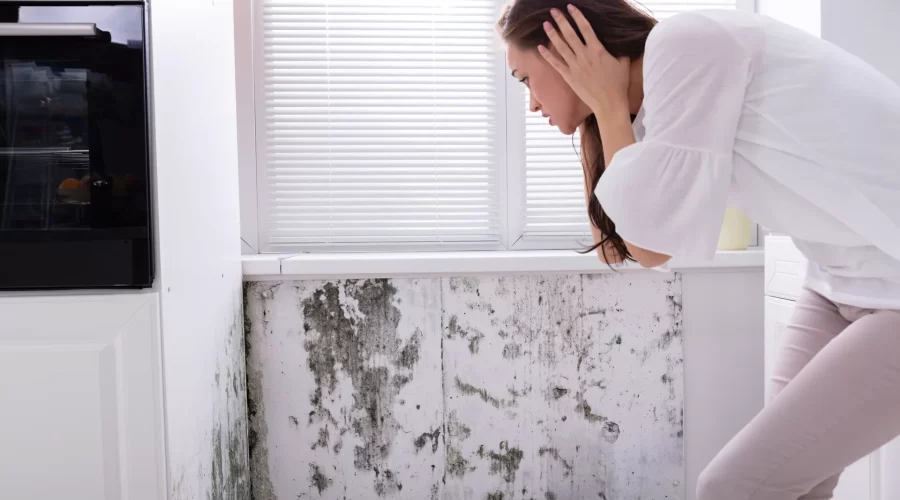
Small Stains or Spots
Mold doesn’t always start as large patches. Early stains may look like:
- Tiny black dots
- Yellowish spots
- Water rings
- Discoloration
- Bubbling paint
These are early warning signs that mold is growing behind the surface.
Moisture That Never Seems To Dry
If a surface stays damp for more than a day or two, mold is likely building. This can happen in:
- Bathrooms
- Laundry rooms
- Kitchens
- Basements
- Attic or roof areas
Check around plumbing connections, drains, and appliances.
The Most Common Ways Mold Enters a Property
Mold spores are everywhere outdoors, so stopping them entirely is impossible. But knowing the common entry points helps you prevent them from spreading inside.
Leaks and Water Damage
The top causes include:
- Roof leaks
- Bursting pipes
- Toilet or sink leaks
- Flooded basements
- Dishwasher or washing machine overflows
Even after the water is cleaned, hidden areas may stay damp and become mold hotspots.
Poor Ventilation
Rooms without proper airflow, especially bathrooms, trap moisture. Good ventilation helps prevent mold from settling and spreading.
Outdoor Mold Coming Inside
Mold spores can travel indoors through:
- Shoes
- Pets
- Open windows
- HVAC intake
- Construction materials
Once inside, spores stay dormant until they find moisture.
AC and HVAC Systems
Dirty filters, standing condensation, or clogged drain lines can spread mold through the entire home or building.
How to Stop Mold From Spreading in Your Property
Stopping mold early saves money, time, and repairs. Once mold spreads, it becomes harder to remove and more damaging to the structure.
Fix Moisture Problems Immediately
The fastest way to stop mold is to remove its water source. That may mean:
- Fixing leaks
- Running dehumidifiers
- Improving ventilation
- Repairing windows
- Cleaning gutters
- Insulating pipes
Moisture control is mold prevention.
Improve Airflow Throughout the Property
Proper airflow lowers humidity and keeps spores from settling. Try:
- Keeping interior doors open
- Running bathroom fans
- Adding attic ventilation
- Using air purifiers
- Regular HVAC maintenance
A well-ventilated space is harder for mold to take over.
Clean and Dry Areas Properly After Water Events
After spills or leaks:
- Dry everything within 24–48 hours
- Replace water-damaged materials
- Use fans and dehumidifiers
- Sanitize surfaces
Even a small missed spot can become a mold colony.
Bring in a Mold Professional
A certified mold remediation team can:
- Identify hidden mold
- Test air quality
- Remove mold safely
- Treat contaminated materials
- Prevent future growth
DIY cleaning can spread spores or make the problem worse if not done correctly.
When to Call a Mold Remediation Specialist
Some mold issues require professional help, especially when the spread is large or hidden.
Heavy Odors or Visible Mold Growth
If the smell is strong or you see mold on walls, ceilings, or floors, the problem is already advanced.
When Health Symptoms Appear
If people inside the building are getting sick, coughing, or suffering from allergies, a mold inspection is the safest step.
When Mold Is in HVAC or Structural Materials
This is not a DIY job. Professionals have the tools and protective equipment to remove mold safely.