Mold problems rarely start with something obvious. Most homeowners don’t see mold right away. They feel it, smell it, or notice small changes that don’t quite make sense.
That’s where many people get stuck. They wait, hoping it goes away. But mold doesn’t fix itself. It spreads.
If you’re unsure what’s really going on in your home, these signs can help you decide when it’s time to bring in a mold sniffing dog inspection.
1. You Smell a Musty Odor but Can’t Find the Source
A strong, musty smell is one of the first signs of mold. It often smells damp, earthy, or stale, like something is trapped behind a wall.
The problem is, mold is not always visible. It can grow in places like:
- Behind drywall
- Under flooring
- Inside HVAC systems
- Behind cabinets or appliances
Why Smell Matters
If you can smell mold, spores are already in the air. That means the issue is active, not just cosmetic.
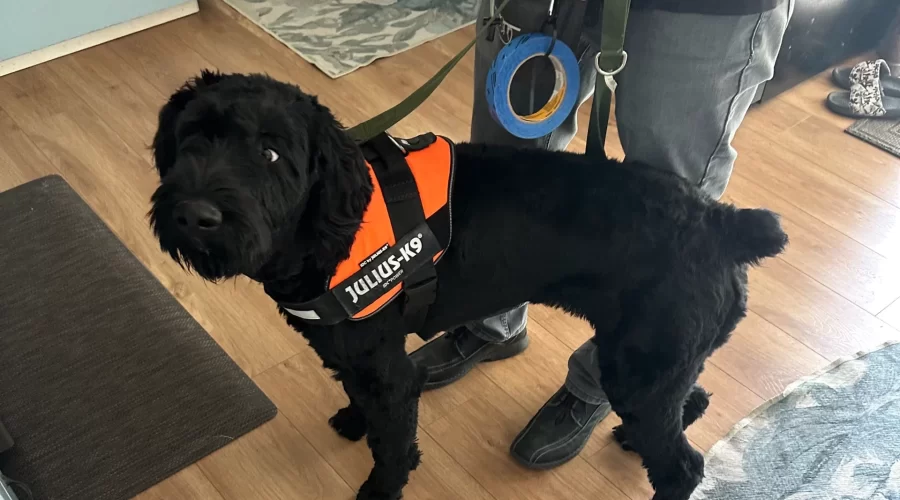
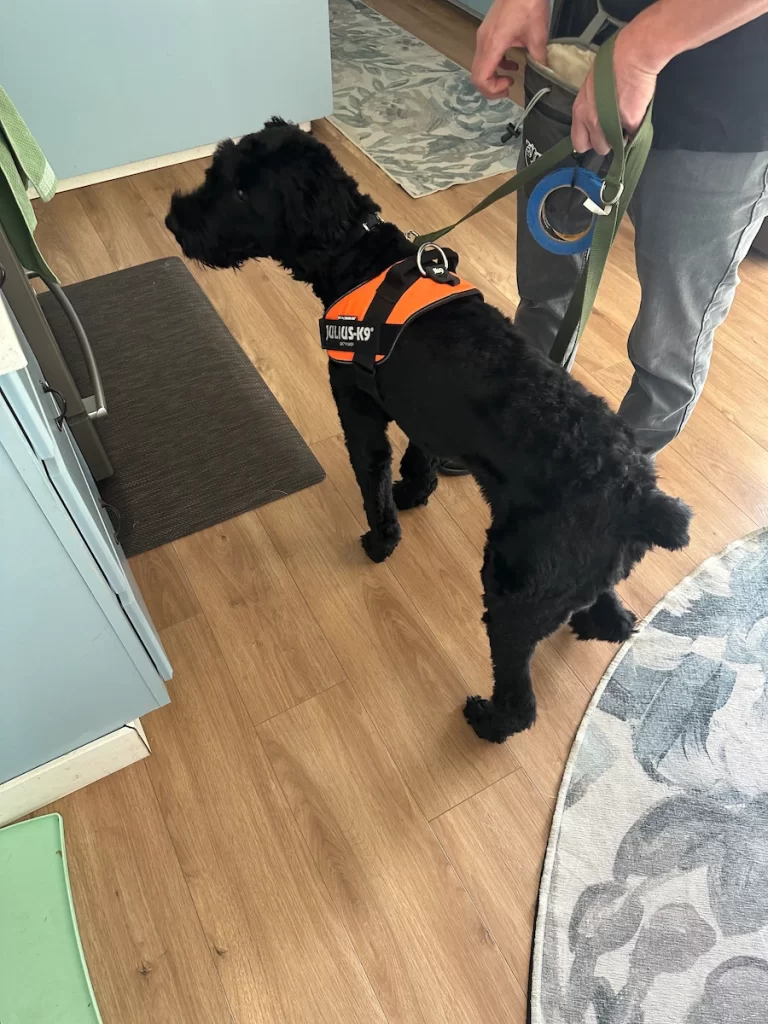
A mold sniffing dog is trained to detect these hidden sources quickly. Instead of tearing into walls or guessing, the dog can pinpoint the exact location of the odor.
This saves time, reduces damage, and gives you a clear starting point.
2. You’ve Had Water Damage or a Recent Leak
Water and mold go hand in hand. Even a small leak can create the perfect environment for mold growth within 24 to 48 hours.
Common sources include:
- Roof leaks
- Burst or slow plumbing leaks
- Flooding
- Appliance leaks (dishwasher, washing machine, water heater)
The Hidden Risk After Repairs
Many homeowners fix the water problem and assume everything is fine. But moisture can stay trapped behind walls or under floors.
That leftover moisture becomes a breeding ground for mold even if everything looks dry on the surface.
A mold sniffing dog inspection can detect mold growth early, before it spreads further or causes structural damage.
3. You or Your Family Are Experiencing Unexplained Health Symptoms
Mold exposure can affect people in different ways. Some feel it right away, while others notice symptoms over time.
Common Signs Linked to Mold Exposure
- Constant sneezing or coughing
- Headaches
- Fatigue
- Itchy eyes or skin
- Sinus congestion
- Worsening asthma or allergies
If these symptoms improve when you leave your home but return when you come back, mold could be a factor.
Why This Matters
Indoor air quality plays a huge role in your health. Mold spores in the air can trigger ongoing discomfort without a clear cause.
A mold sniffing dog helps locate the source of contamination quickly, so you can take action and improve the air you breathe.
4. You’re Buying or Selling a Home
Real estate transactions are one of the most overlooked times for mold issues. A home can look clean and well-maintained but still have hidden mold.
Risks for Buyers
- Hidden mold behind walls or flooring
- Future repair costs
- Health concerns after moving in
Risks for Sellers
- Deals falling through after inspections
- Lower property value
- Last-minute remediation costs
Why a Mold Dog Inspection Helps
A mold sniffing dog can scan the entire home quickly and identify problem areas without invasive testing.
This gives both buyers and sellers confidence. It also helps avoid surprises during the closing process.
5. You’ve Tried Testing but Still Don’t Have Clear Answers
Many homeowners start with traditional mold testing methods like air samples or surface swabs. While these can be helpful, they don’t always tell the full story.
The Limitation of Traditional Testing
- Air tests only capture a snapshot in time
- Results can vary based on airflow
- They may not pinpoint the exact location of mold
That leaves homeowners with results but no clear direction.
How Mold Sniffing Dogs Fill the Gap
Mold detection dogs are trained to locate the source, not just measure the presence.
They can:
- Identify hidden mold behind walls
- Detect small problem areas early
- Reduce guesswork and unnecessary demolition
This makes the inspection process faster, more accurate, and more cost-effective.
Why Early Detection Makes All the Difference
Mold is not just a surface issue. It affects your home’s structure, your indoor air quality, and your long-term costs.
The longer it goes unnoticed, the more it spreads and the more expensive it becomes to fix.
What Starts Small Can Turn Into:
- Damaged drywall and flooring
- HVAC contamination
- Larger remediation projects
- Higher repair costs
Catching mold early allows for targeted solutions instead of full-scale restoration.
What to Do Next If You Notice These Signs
If any of these signs sound familiar, the next step is simple: don’t wait.
A mold sniffing dog inspection gives you clear answers without tearing apart your home. It’s fast, non-invasive, and highly accurate.
Take Control of the Situation
Instead of guessing, you’ll know:
- If mold is present
- Where it’s located
- What steps to take next
That clarity can save you time, money, and stress.
Trust What Your Home Is Telling You
Your home often gives you small warnings before a bigger problem shows up. A strange smell, a recent leak, or ongoing health symptoms are not things to ignore.
Mold works quietly, but its impact can be serious.
If something feels off, it probably is. A mold sniffing dog inspection helps you move from uncertainty to answers, fast.
Protect your home. Protect your health. And take action before a small issue becomes a costly problem.