
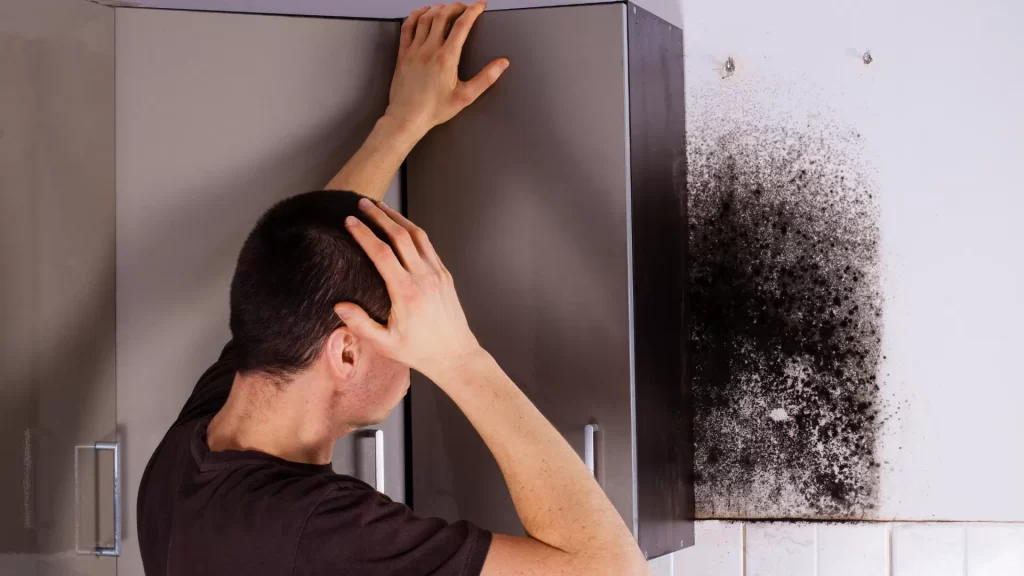
Mold is easy to ignore at first. A small stain on the ceiling. A musty smell in the office. A little discoloration behind a sink. It doesn’t seem urgent.
But here’s the truth: mold rarely stays small. And the longer you wait, the more it costs you in money, health, and peace of mind.
Let’s break down what mold really does and why fast action matters for both homeowners and business owners.
1. Mold Spreads Faster Than You Think
Mold is not just a surface problem. It grows deep into drywall, wood, carpet, insulation, and even HVAC systems.
All it needs is:
- Moisture
- Warm air
- Organic material (like wood or drywall)
Once those three are present, mold can begin growing in as little as 24–48 hours.
How Mold Moves Through a Property
Mold releases tiny spores into the air. These spores travel through:
- Air vents
- Hallways
- Wall cavities
- Ceiling spaces
If you see mold in one room, there is a strong chance spores are already in other areas.
For business owners, this can mean contamination in multiple offices or workspaces. For homeowners, it can mean growth behind walls you cannot see.
The longer it sits, the larger the affected area becomes and the more expensive it is to fix.
2. The Hidden Health Costs of Mold Exposure
Mold does not affect everyone the same way. But it can trigger serious health issues, especially in children, older adults, and people with asthma or allergies.
Common Symptoms of Mold Exposure
- Coughing
- Sneezing
- Headaches
- Skin irritation
- Eye irritation
- Fatigue
- Sinus congestion
In workplaces, mold can lead to employee complaints, sick days, and lower productivity. In homes, it can affect sleep, mood, and daily comfort.
Long-Term Health Risks
Long-term mold exposure may worsen:
- Asthma
- Respiratory infections
- Chronic sinus problems
For business owners, this can create liability concerns. Employees may file complaints if the work environment is unsafe.
For homeowners, medical costs can increase without realizing mold is the root cause.
Health is one cost that is hard to measure but it may be the most important one.
3. Structural Damage That Gets Worse Over Time
Mold feeds on organic materials. That means it slowly eats away at the very structure of your property.
Materials Mold Commonly Damages
- Drywall
- Wooden beams
- Flooring
- Subfloors
- Ceiling tiles
- Insulation
What starts as a small patch can turn into:
- Warped flooring
- Soft drywall
- Crumbling wood
- Weak structural supports
If mold spreads behind walls, repairs may require:
- Full wall removal
- Floor replacement
- Cabinet removal
- HVAC cleaning
For businesses, this could mean shutting down part of the building.
For homeowners, it may mean moving out during repairs.
Small early treatment is affordable. Large structural repair is not.
4. The Financial Impact of Waiting Too Long
Many property owners delay mold removal because they are trying to save money.
Ironically, waiting almost always costs more.
Small Problem vs. Large Problem
Early Stage Mold
- Localized treatment
- Minor repair
- Lower labor cost
- Faster turnaround
Advanced Mold Damage
- Full remediation
- Air filtration systems
- Demolition
- Material replacement
- Longer downtime
For businesses, downtime equals lost revenue. Customers may avoid a location with visible mold or odors.
For homeowners, property value can drop if mold is discovered during a sale. Home inspections often uncover hidden moisture and mold issues.
Insurance Complications
Some insurance policies do not cover mold damage if it is due to neglect or long-term moisture issues.
If an insurer determines that mold was ignored, claims may be denied.
That means you could be paying out of pocket for:
- Remediation
- Repairs
- Temporary relocation
Taking action early helps protect both your building and your finances.
5. Reputation, Liability, and Property Value Risks
For business owners, mold is not just a building issue it is a reputation issue.
Customers expect clean, safe environments. If clients notice mold smells or stains, trust drops immediately.
Risks for Businesses
- Negative online reviews
- Health complaints
- Employee safety claims
- Legal liability
- Code violations
Even one public complaint can harm a brand’s reputation.
Risks for Homeowners
If you plan to sell your home, mold can:
- Lower your asking price
- Delay closing
- Require remediation before sale
- Turn buyers away
Buyers are cautious about mold because they know how expensive it can be.
Ignoring mold today can reduce what your property is worth tomorrow.
What Should Homeowners and Business Owners Do?
The good news is this: mold problems are manageable when addressed early.
Here’s what you should do if you suspect mold:
1. Identify the Moisture Source
Mold cannot grow without water. Look for:
- Leaks
- Roof damage
- Plumbing issues
- Poor ventilation
- Flood history
Fixing moisture is step one.
2. Schedule a Professional Inspection
Visible mold is often just part of the problem. A professional inspection can:
- Test air quality
- Check hidden areas
- Measure moisture levels
- Confirm contamination levels
3. Act Quickly
The faster you respond, the smaller the damage. Quick action protects:
- Health
- Structure
- Property value
- Business operations
Mold Is a Small Problem Until It Isn’t
Mold does not usually explode overnight. It grows slowly, quietly, and steadily.
That is why many people ignore it.
But mold affects:
- Your air
- Your health
- Your structure
- Your finances
- Your reputation
Homeowners risk long-term repair costs and lower resale value.
Business owners risk downtime, complaints, and liability.
The true cost of ignoring mold is not just the cleanup bill. It is everything that builds up while you wait.
If you notice signs of mold stains, musty smells, water damage do not delay.
Early action is always less expensive than major restoration.
Protect your property. Protect your people. Act before mold takes control.