Your home should feel clean, comfortable, and safe. However, indoor air can sometimes feel heavy, stale, or musty even when you clean often. You may notice odors that keep returning, damp rooms, or moisture around windows and walls.
These problems do not always mean mold is present. Dust, poor ventilation, pet dander, and high humidity can also affect indoor air. Still, ongoing air quality concerns may be a sign that hidden moisture needs closer attention.
Professional mold testing can help you understand what may be happening inside your home. It can provide useful information when visible signs are limited, odors are unexplained, or a property has a history of water damage.
Signs Your Indoor Air May Need Closer Attention
Indoor air problems can appear in different ways. Some signs are easy to notice, while others slowly develop over time.
A musty smell is one of the most common warning signs. This odor may be stronger in basements, bathrooms, closets, or rooms that stay closed. It may also become more noticeable when the heating or cooling system turns on.
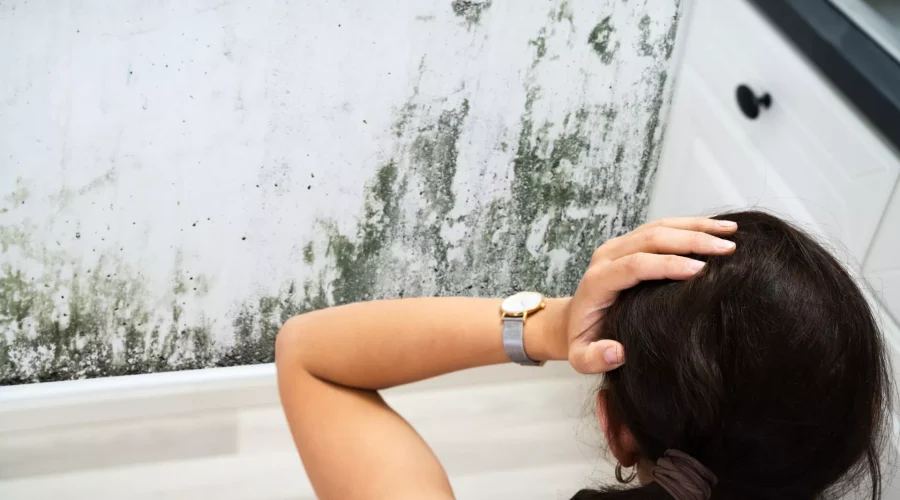
You may also notice condensation on windows, damp walls, peeling paint, or flooring that feels soft. These signs often point to excess moisture, which can create the right setting for mold growth.
Watch for these common warning signs:
- A musty or earthy odor that returns after cleaning
- Water stains on ceilings, walls, or floors
- Paint that bubbles, cracks, or peels
- Dark marks near windows, vents, or baseboards
- High humidity that makes rooms feel damp
- Warped drywall, cabinets, or flooring
- Moisture around plumbing fixtures
- Mold that returns after being cleaned
These signs do not confirm the full size or location of a mold problem. A professional mold inspector can examine the property, look for moisture sources, and determine whether further testing may be useful.
When Professional Mold Testing Makes Sense
Not every situation requires laboratory testing. In some cases, visible growth and an active leak make the next steps clear. The damaged materials need attention, and the moisture source must be repaired.
Testing becomes more helpful when the source is uncertain. It may also be recommended when you need clearer information before buying a home, starting repairs, or checking whether cleanup work was successful.
You may want to schedule professional testing after a flood, plumbing leak, roof problem, or appliance failure. Even when the area appears dry, moisture may remain behind walls, under floors, or inside insulation.
Testing may also be useful when:
- You smell mold but cannot find the source
- A home has a history of flooding or leaks
- Stains continue to appear after repairs
- You are buying a property with moisture concerns
- Mold keeps returning in the same area
- You need information before remediation begins
- You want to check an area after cleanup
- A tenant or buyer requests written findings
Professional mold detection can help narrow down suspicious areas before samples are collected. This focused approach may reduce unnecessary testing and help avoid opening large sections of walls without a clear reason.
How a Mold Inspection Supports Better Testing
A professional inspection should involve more than collecting random air samples. The first goal is to understand the property and locate possible moisture problems.
The inspector may ask about past leaks, repairs, odors, and areas of concern. They may check bathrooms, kitchens, basements, attics, windows, plumbing lines, and HVAC areas. Moisture meters and other inspection tools may be used to identify damp materials.
K9-assisted detection can add another helpful layer. A trained mold detection dog can search for mold odors in areas that may be difficult to inspect, including behind walls, beneath flooring, and around cabinets.
This does not replace every type of testing. Instead, it can help guide the inspection toward specific areas. Samples can then be collected when needed to learn more about the condition.
Experienced mold inspection experts should explain what they found in clear language. They should also help you understand the difference between visible damage, possible hidden growth, moisture concerns, and confirmed laboratory results.
A good inspection gives you direction. It should not create fear or pressure you into repairs that may not be needed.
What Happens During Mold Testing?
The exact testing process depends on the property and the reason for the inspection. Common methods include air samples, surface samples, and material samples.
Air samples collect particles from the indoor environment. These samples may be compared with outdoor air to provide more context. Surface samples may be taken from an area that looks suspicious. Material samples may involve collecting a small piece of damaged building material.
The samples are usually sent to a laboratory for analysis. The report may identify mold types and provide information about what was found in each sample.
Testing has limits. A sample only represents the area and time in which it was collected. Mold levels can change based on weather, airflow, humidity, cleaning, and HVAC activity.
That is why testing should be combined with a full visual and moisture inspection. Laboratory results are more useful when they are connected to real conditions inside the home.
The most important step is still finding and correcting the moisture source. Without moisture control, mold may return even after affected materials are cleaned or removed.
Protect Your Home by Acting Early
Indoor air concerns can be stressful, especially when you cannot see the source. It is easy to worry about what may be hiding behind walls or beneath the floor. However, guessing often leads to unnecessary repairs, repeated cleaning, and more frustration.
Professional mold testing can help replace uncertainty with clear information. A trained mold inspector can look for moisture, identify suspicious areas, and recommend testing only where it makes sense.
K9 Mold Dog Inspection offers a fast, focused, and non-invasive approach to hidden mold detection. A trained detection dog can help locate areas that may need closer inspection without tearing apart your property.
Because K9 Mold Dog Inspection focuses on inspection rather than remediation, homeowners can receive independent findings before deciding what to do next.
Do not ignore musty odors, recurring stains, or a history of water damage. Early action may help limit property damage and make repairs easier to manage.
Contact K9 Mold Dog Inspection to schedule an evaluation with trusted mold inspection experts. The right inspection can help you understand your indoor air concerns and move forward with a clear plan.