Mold remediation can make a home feel clean and safe again. Damaged materials may be removed, surfaces may be treated, and the area may look much better. However, many homeowners still have one important question: Can mold come back after remediation?
The answer is yes. Mold can return when the moisture problem was not fully repaired or when hidden growth was missed. Mold spores are naturally present in the air, so the goal is not to remove every spore. The goal is to control moisture and remove active mold growth.
A follow-up inspection can help confirm whether the property is staying dry and whether suspicious mold remains. Professional mold inspection experts can check the treated area, nearby rooms, and other hidden spaces that may have been affected.
Why Mold Can Return After Remediation
Mold needs moisture to grow. Remediation may remove mold, but it cannot prevent new growth if water continues entering the area.
A slow plumbing leak, damaged roof, poor ventilation, or high indoor humidity may allow mold to return. Sometimes the original leak appears fixed, but damp building materials remain behind the walls. Mold can begin growing again if those materials do not dry completely.
Mold may also return when the treatment only addressed the visible surface. For example, cleaning mold from drywall will not solve a problem inside the wall cavity. Growth may continue around pipes, wood framing, insulation, or the back of the drywall.
Common reasons mold returns include:
- The original water leak was not fully repaired
- Wet materials were left inside the property
- Humidity levels remain too high
- Mold was cleaned but not fully removed
- Hidden growth was missed during remediation
- The area did not dry long enough
- New water damage occurred after the work
A proper moisture check is just as important as removing visible mold. Without moisture control, the same problem may happen again.
Signs Mold May Be Coming Back
Mold does not always return in the same place or appear in the same way. You may notice small changes before you see visible growth.
A musty odor is one of the most common warning signs. The smell may be stronger near a wall, cabinet, bathroom, or HVAC vent. It may also appear when the heating or cooling system starts running.
You may also notice new stains, bubbling paint, loose flooring, or soft drywall. These signs often point to moisture trapped behind the surface.
Watch for these possible warning signs:
- A musty smell that returns after remediation
- New dark spots or stains
- Paint that begins peeling or bubbling
- Flooring that feels soft or starts buckling
- Water stains on walls or ceilings
- Condensation around windows or vents
- Damp cabinets or baseboards
- Mold growing near the original problem area
These signs do not always prove mold is present, but they are worth checking. Early mold detection can help you respond before the damage becomes larger.
How Mold Inspection Experts Check the Property
A follow-up mold inspection is more than a quick look at the repaired area. The inspector should consider what caused the original problem and whether moisture may have spread into nearby materials.
The inspection may begin with questions about the remediation work. The inspector may ask where the mold was found, what materials were removed, how the moisture source was repaired, and whether drying equipment was used.
Next, the inspector may examine walls, ceilings, floors, cabinets, windows, and other nearby surfaces. Moisture meters or thermal imaging may be used to look for damp or unusual areas that are not visible.
Professional mold inspection experts may check:
- The original remediation area
- Rooms beside or below the affected space
- Plumbing lines and fixtures
- Attics and crawl spaces
- HVAC equipment and nearby vents
- Exterior walls and windows
- Flooring and subfloor materials
- Areas with past water damage
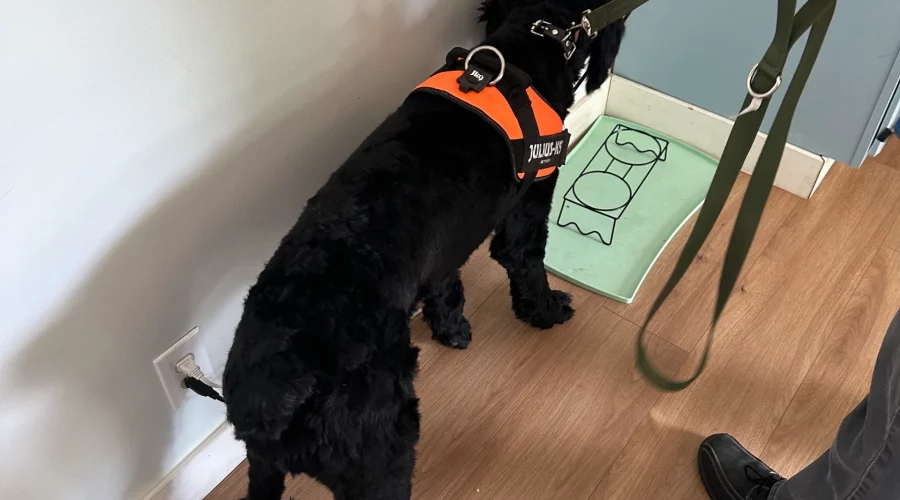
K9 Mold Dog Inspection also uses a trained mold detection dog to help locate hidden mold odors. A dog can inspect large areas quickly and may alert near walls, flooring, cabinets, or other concealed spaces.
This helps the inspector focus on specific areas instead of opening walls based on guesswork.
The Role of Mold Testing After Remediation
Professional mold testing may be recommended when there are signs of continued growth, when the original problem was serious, or when more information is needed.
Testing may involve collecting air samples or surface samples. Air samples can help compare mold levels in different areas of the property. Surface samples can help identify growth on a specific material.
However, testing should not be the only step. A sample may show that mold spores are present, but it may not reveal the exact moisture source. That is why testing works best when it is combined with a full visual inspection and moisture evaluation.
Testing can be helpful when:
- A musty odor remains after remediation
- A property owner wants added peace of mind
- A large mold problem was removed
- The property is being bought or sold
- New stains or moisture appear
- The affected area is difficult to access
- Someone wants documentation after the work
The results should be explained clearly. Property owners should understand what was found, where concerns remain, and what steps may be needed next.
How to Help Prevent Mold From Returning
Stopping mold from coming back starts with controlling water and humidity. Even a well-completed remediation project may fail if the building continues to stay damp.
Check plumbing fixtures, roofs, windows, appliances, and basement areas regularly. Small leaks are easier and less costly to repair when they are found early.
Use bathroom and kitchen exhaust fans to move moisture outside. Keep furniture slightly away from cold exterior walls so air can move behind it. Clean gutters and make sure water drains away from the foundation.
Indoor humidity should also be monitored. A dehumidifier may help in basements, crawl spaces, or other damp parts of the home.
It is also important to act quickly after water damage. Wet flooring, drywall, insulation, and wood should be dried as soon as possible. Waiting too long may allow mold to begin growing again.
Schedule a Mold Inspection When You Need Clear Answers
Mold remediation should solve the problem, not leave you wondering whether hidden growth remains. A follow-up inspection can help confirm that the area is dry and identify signs that mold may be returning.
K9 Mold Dog Inspection provides non-invasive mold detection to help locate suspicious areas without unnecessary damage. The inspection team can examine the property, use a trained detection dog, and recommend mold testing when it may provide useful answers.
Because K9 Mold Dog Inspection focuses on inspection rather than remediation, property owners receive independent findings about the condition of their home or business.
Do not ignore musty odors, new stains, or moisture after mold removal. Schedule an inspection with K9 Mold Dog Inspection and find out whether your remediation work solved the problem or whether hidden mold still needs attention.