Finding possible mold inside your home can be stressful. You may smell a musty odor, see a strange stain, or discover moisture after a plumbing leak. Your first question may be, “How much will a professional mold inspection cost?”
There is no single price that fits every property. The final cost can depend on the size of the building, the areas being inspected, the testing needed, and how difficult the mold may be to locate.
While homeowners naturally want to control costs, skipping a professional inspection can lead to expensive guesswork. An experienced mold inspector can help locate suspicious areas, explain what may be causing the problem, and show you what steps to take next.
What Affects the Cost of a Mold Inspection?
The cost of an inspection often depends on the amount of time, equipment, and testing required. A small home with one suspicious bathroom may take less time to inspect than a large building with several possible moisture problems.
Property size is only one factor. Mold can hide behind walls, beneath flooring, inside attics, and near heating and cooling systems. Hard-to-reach areas may require a more detailed investigation.
Common factors that can affect the price include:
- The size and layout of the property
- The number of rooms or areas being checked
- Whether the inspection covers a home or commercial building
- The location of possible water damage
- The need for air or surface samples
- The number of samples collected
- Laboratory processing fees
- The age and condition of the building
- Whether crawlspaces, attics, or HVAC areas must be checked
- The type of written findings or report provided
Some companies may offer a basic visual inspection, while others provide moisture readings, sampling, K9-assisted mold detection, and a more detailed report. Before choosing a service based only on price, ask what the quoted amount actually includes.
A lower quote may not be the better value if it leaves important areas unchecked.
What Does a Professional Mold Inspection Include?
A professional inspection should do more than confirm that a dark spot exists. The goal is to understand where the concern is located, what moisture source may be feeding it, and whether more testing or repair work is needed.
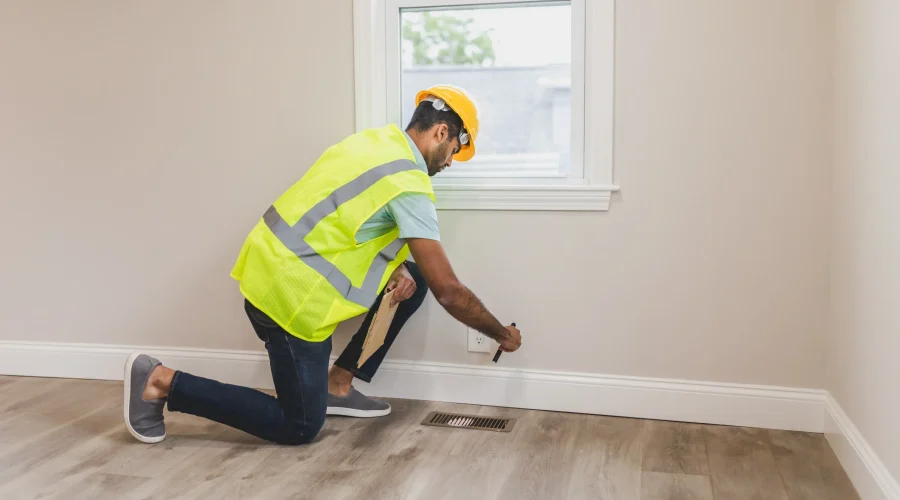
The exact process will vary based on the property and the inspection company. It may include a visual review of rooms, plumbing areas, walls, ceilings, flooring, and other places where moisture can collect.
A complete inspection may involve:
- A discussion about past leaks, flooding, or water damage
- A visual check for stains, damaged materials, and visible growth
- Moisture readings in suspicious areas
- An inspection of attics, crawlspaces, cabinets, or HVAC areas
- K9-assisted detection to help locate hidden mold odors
- Air or surface samples when additional confirmation is needed
- Photos or notes showing areas of concern
- Clear guidance about possible next steps
- A written summary or inspection report
K9 Mold Dog Inspection uses Frankie, a certified detection dog trained to locate mold odors behind walls, beneath floors, in attics, and near HVAC systems. This approach is designed to provide fast and non-invasive information without opening large areas of the property just to search for a possible source.
The company can also combine K9 detection with visual inspections and sampling when needed.
Why Mold Testing and Mold Detection Are Different
People often use the terms mold testing and mold inspection as though they mean the same thing. However, they serve different purposes.
An inspection looks for signs of moisture, damage, and possible mold growth throughout the property. Testing involves collecting samples that may help identify or measure what is present.
Air testing can provide useful information about particles collected from the air at a certain place and time. Surface samples may provide information about material taken from a specific spot. However, a test result may not always tell you exactly where hidden growth is located.
That is why finding the source matters.
A trained mold detection dog can help narrow down suspicious areas. Instead of opening several walls or pulling up flooring at random, the dog may alert the inspector to areas that deserve closer attention. K9 Mold Dog Inspection explains that this focused process can reduce unnecessary damage and help remediation work target the correct location.
Testing may still be recommended based on the situation. The best approach depends on the property, the visible signs, and what the inspector discovers.
Is a Professional Mold Inspection Worth the Cost?
In many cases, a professional inspection is worth the cost because it helps replace assumptions with clear information.
Without an inspection, a homeowner may clean a visible stain while missing growth behind the wall. Another person may pay to remove large sections of drywall even though the actual problem is limited to one small area.
Accurate detection may help you avoid both mistakes.
A professional inspection may also be valuable when:
- A musty odor has no clear source
- Mold returns after being cleaned
- A roof, pipe, appliance, or foundation has leaked
- Flooring or drywall has started to warp
- You are buying or selling a property
- A remediation company recommends major work
- You want to check an area after water damage
- You need information before planning repairs
Early mold detection may help limit how far moisture damage spreads. It can also help property owners make better decisions about what must be removed, repaired, or tested.
K9 Mold Dog Inspection does not sell remediation services. This allows its team to focus on inspection findings rather than earning money from the cleanup work it recommends. The company promotes upfront pricing, independent guidance, and non-invasive inspections.
That independence can give homeowners more confidence before approving a large remediation project.
How to Get the Best Value From Mold Inspection Experts
The cheapest service is not always the most affordable choice in the long run. A rushed or limited inspection may miss the source and leave you paying for more testing, repairs, or repeated cleanup later.
Before scheduling an appointment, ask the company to explain what is included. Find out whether sampling costs are separate, whether you will receive a report, and which areas of the property will be examined.
Experienced mold inspection experts should also be willing to answer questions in plain language. You should understand what was found, where it was found, and what action may be needed.
K9-assisted inspections provide another advantage by helping locate hidden problem areas without unnecessary demolition. Frankie can investigate concealed spaces throughout homes and businesses, helping the inspector focus further evaluation where it matters most.
If you suspect hidden mold, waiting may allow moisture and property damage to grow. A professional inspection can give you the answers needed to protect your building and plan the correct next step.
Contact K9 Mold Dog Inspection at (435) 740-0497 to request a quote or schedule an inspection. The team serves property owners in Arizona, Colorado, Idaho, Salt Lake, and other areas of Utah.