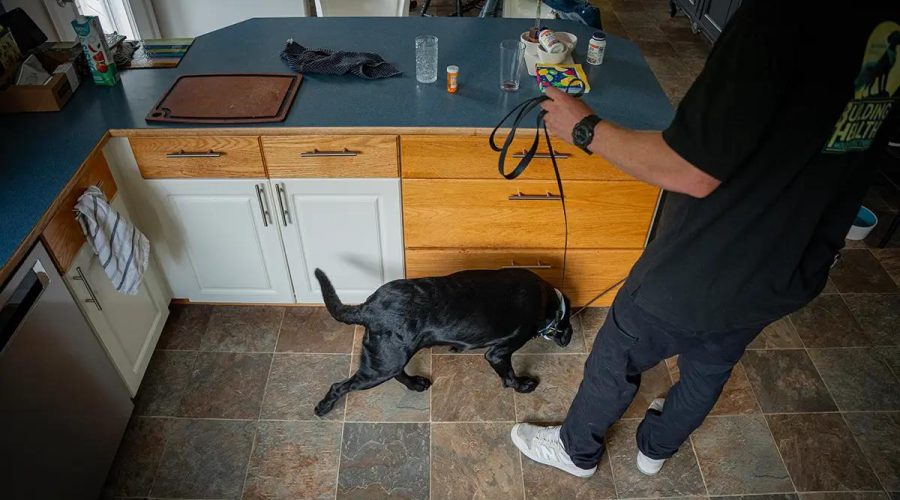
Mold problems are not always easy to see. In many homes and businesses, mold grows behind walls, under flooring, inside ceilings, or deep inside crawl spaces where people cannot find it right away. That hidden mold can lead to strong odors, property damage, allergy symptoms, breathing issues, and expensive repairs if it is not found early.
That is why more property owners are turning to a trained mold sniffing dog for accurate mold inspection services. Instead of tearing into walls or guessing where the problem may be, a mold sniffing dog can quickly detect the exact areas where mold is hiding. Combined with professional mold testing and an experienced mold inspector, this process helps save time, money, and stress.
Why Hidden Mold Is Hard to Find
One of the biggest challenges with mold inspection is that mold is often invisible. Many people assume mold will always appear as black spots on walls or ceilings, but that is not always true. Mold can grow in places you rarely check.
Common hidden mold locations include:
- Behind drywall
- Under carpet or flooring
- Inside HVAC systems
- Around plumbing leaks
- Beneath kitchen cabinets
- In attics and crawl spaces
- Behind bathroom tile
- Inside insulation
A traditional mold inspector may use moisture meters, thermal imaging, or visual inspections to narrow down problem areas. While these tools help, they still may not pinpoint the exact location of hidden mold growth.
That is where a mold sniffing dog changes everything.
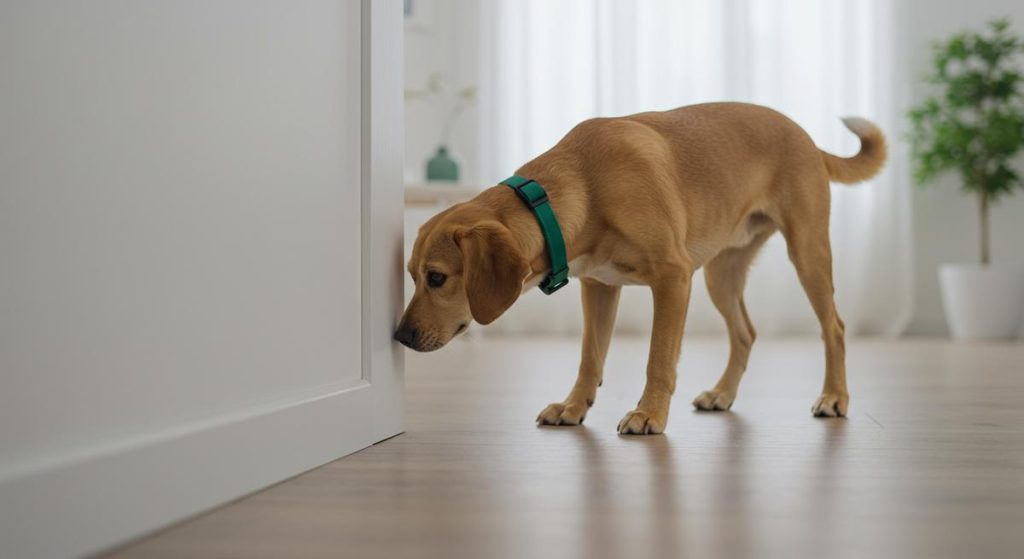
How a Mold Sniffing Dog Helps Mold Inspection
A mold sniffing dog is specially trained to detect the scent of mold at extremely low levels. Dogs have a powerful sense of smell that is far stronger than humans. During a mold inspection, the dog moves through the property searching for the odor produced by mold growth.
When mold is detected, the dog alerts the handler to the exact location.
This allows the mold inspector to:
- Identify hidden mold faster
- Reduce unnecessary damage to walls or floors
- Focus mold testing in the right areas
- Find moisture-related problems early
- Confirm whether mold is still active after remediation
Many homeowners are surprised by how accurate and fast the process can be. Instead of guessing, the inspection becomes targeted and efficient.
The Difference Between Mold Testing and Mold Inspection
A lot of people confuse mold testing with mold inspection, but they are not the same thing.
Mold Inspection
A mold inspection focuses on locating the source of mold growth and identifying moisture problems inside the property.
Mold Testing
Mold testing collects samples from the air or surfaces to determine the type and amount of mold spores present.
The best results usually happen when both services work together. A mold sniffing dog helps locate the hidden areas first, and then mold testing confirms what is present.
This process creates a more accurate picture of the problem and helps property owners make informed decisions about cleanup and repairs.
Signs You May Need a Mold Inspector
Sometimes mold problems are obvious, but hidden mold often leaves smaller warning signs first. If you notice any of these issues, it may be time to schedule a mold inspection.
Common signs of hidden mold include:
- Musty odors that never go away
- Water damage or previous leaks
- Allergy symptoms indoors
- Headaches or breathing irritation
- Peeling paint or bubbling drywall
- Warped flooring
- Increased humidity indoors
- Recent flooding
- Visible discoloration on walls or ceilings
A professional mold inspector can help determine whether mold is present and whether mold testing is necessary.
Why Homeowners Prefer Mold Sniffing Dogs
Traditional inspections can sometimes require cutting into multiple walls just to locate hidden mold. That process can become messy, expensive, and frustrating.
A mold sniffing dog helps narrow down the exact problem areas before demolition begins.
Benefits of canine mold inspection include:
Faster Results
Dogs can inspect large properties quickly.
Less Property Damage
Pinpointing mold reduces unnecessary wall or floor removal.
Better Accuracy
Dogs can locate mold hidden deep inside structures.
Early Detection
Finding mold early helps prevent bigger repair costs.
Peace of Mind
Property owners gain confidence knowing hidden mold areas were checked carefully.
This is one reason canine mold inspection services continue to grow in popularity across residential and commercial properties.
FAQ About Mold Inspection and Mold Testing
Can a mold sniffing dog really find hidden mold?
Yes. Properly trained mold sniffing dogs can detect the odor produced by mold growth, even behind walls or under flooring.
Is mold testing always necessary?
Not always. Some situations only require a mold inspection, while others benefit from additional mold testing to identify mold spore levels and types.
How long does a mold inspection take?
Most inspections take between one and three hours depending on the property size and complexity.
Can hidden mold make you sick?
Hidden mold may contribute to allergy symptoms, breathing irritation, headaches, and poor indoor air quality in some individuals.
What happens after mold is found?
The mold inspector will explain the findings and may recommend remediation, moisture repairs, or additional testing.