Mold problems can get expensive fast. Many homeowners think a quick mold test is enough to solve the problem, but that is not always true. In fact, the wrong mold testing approach can waste money, miss hidden mold, and allow damage to keep spreading behind walls, ceilings, and floors.
That is why working with an experienced mold inspector and a trained mold sniffing dog can make a huge difference. A proper mold inspection helps pinpoint the source of the issue instead of relying on guesswork.
Why Mold Testing Alone Can Be Misleading
One of the biggest mistakes homeowners make is depending only on mold testing results. Air samples and surface tests can provide information, but they do not always show where the mold is actually hiding.
Mold spores move through the air constantly. That means a test may show mold exists, but not where it is growing. Some homes even receive “normal” results while hidden mold continues spreading inside walls or crawl spaces.
A professional mold inspection focuses on finding the source of moisture and contamination. That is where experienced mold inspectors and mold sniffing dogs become extremely valuable.
Common problems with mold testing alone:
- Air samples can miss hidden mold
- Mold levels change throughout the day
- HVAC systems can spread spores
- Small hidden colonies may not appear in testing
- Results can create confusion without a visual inspection
How a Mold Sniffing Dog Finds Hidden Mold Faster
A mold sniffing dog is trained to detect the scent of mold at extremely low levels. These dogs can locate hidden mold behind drywall, under flooring, inside insulation, and in areas most people would never think to check.
Instead of tearing apart large areas of a home looking for mold, a mold sniffing dog helps narrow down the exact location. This can save homeowners thousands of dollars in unnecessary demolition and repairs.
Benefits of using a mold sniffing dog:
- Faster mold detection
- More accurate inspections
- Less invasive searching
- Reduced repair costs
- Better confidence before remediation begins
Many homeowners are surprised to learn that mold has been hidden for months or even years before being discovered.
The Real Cost of Delaying a Mold Inspection
Ignoring signs of mold can lead to major structural damage and expensive restoration work. Mold thrives in damp environments and often spreads quietly behind walls or under flooring.
Small warning signs can quickly become major issues:
- Musty odors
- Water stains
- Peeling paint
- Allergy symptoms indoors
- Chronic moisture problems
- Recent leaks or flooding
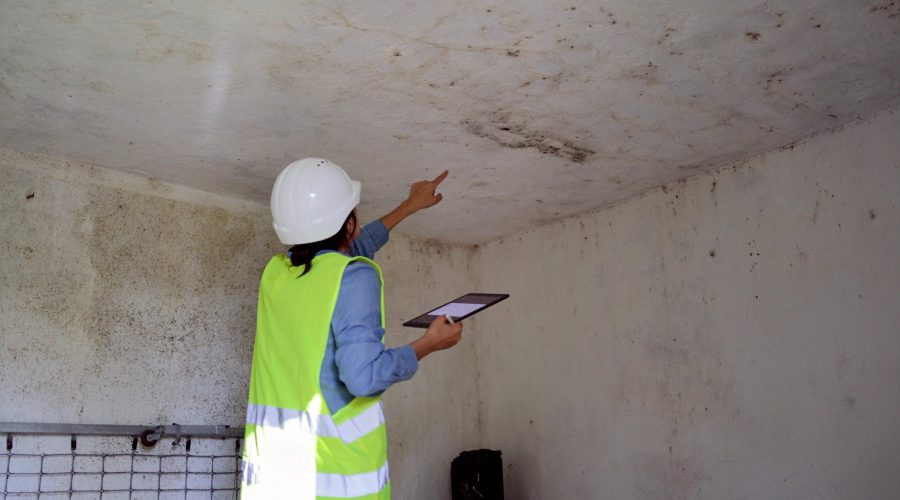
A professional mold inspector understands how moisture travels through a home. Instead of treating only the visible mold, the inspection process looks for the root cause.
The longer mold is allowed to grow, the more expensive the cleanup usually becomes.
Why Cheap Mold Testing Can Backfire
Low-cost mold testing services often sound appealing, but many homeowners later discover they did not receive a full inspection. Some companies simply collect samples and provide lab reports without explaining what the results actually mean.
Others may recommend expensive remediation work without clearly identifying the source of the problem.
A quality mold inspection should include:
- Moisture detection
- Thermal imaging when needed
- Visual inspection
- Mold sniffing dog detection if available
- Recommendations for next steps
- Clear communication about findings
Choosing an experienced mold inspector can help prevent unnecessary repairs and repeated mold problems later.
Questions Homeowners Should Ask Before Hiring a Mold Inspector
Before scheduling mold testing or a mold inspection, ask a few important questions. The answers can help you avoid wasting money and help you choose the right team.
Helpful questions to ask:
- Do you perform a full mold inspection or only testing?
- Do you use moisture detection tools?
- Can you locate hidden mold?
- Do you work with a mold sniffing dog?
- Will I receive a clear explanation of the findings?
- Do you recommend unnecessary demolition?
A trustworthy mold inspector focuses on accuracy, education, and helping homeowners make informed decisions.
FAQ About Mold Inspection and Mold Testing
Is mold testing always necessary?
Not always. Sometimes a professional mold inspection can identify the issue without extensive testing. Testing is most helpful when confirmation or documentation is needed.
Can mold hide behind walls?
Yes. Hidden mold is extremely common, especially after leaks, flooding, or long-term moisture problems.
Are mold sniffing dogs accurate?
Trained mold sniffing dogs are highly effective at detecting hidden mold sources that may otherwise go unnoticed.
What is the difference between mold inspection and mold testing?
Mold inspection focuses on locating mold and moisture problems. Mold testing collects samples to measure or identify mold spores.
How long does a mold inspection take?
Most inspections take between one and three hours depending on the size of the property and the complexity of the issue.
Mold problems are stressful enough without wasting money on incomplete answers. The wrong mold testing approach can leave hidden mold behind, increase repair costs, and create ongoing problems inside your home.
A professional mold inspection performed by an experienced mold inspector, especially one using a trained mold sniffing dog can help locate mold faster and more accurately while reducing unnecessary damage to your property.
If you suspect mold in your home, acting early could save you thousands in repairs later.