Mistake #1: Believing Mold Testing Will Show You the Exact Problem
Many people think mold testing will tell them exactly where the mold is and how bad it is.
That is not how it works.
Most mold testing methods only confirm that mold spores are present in the air or on a surface. They do not:
- Show the exact source of the mold
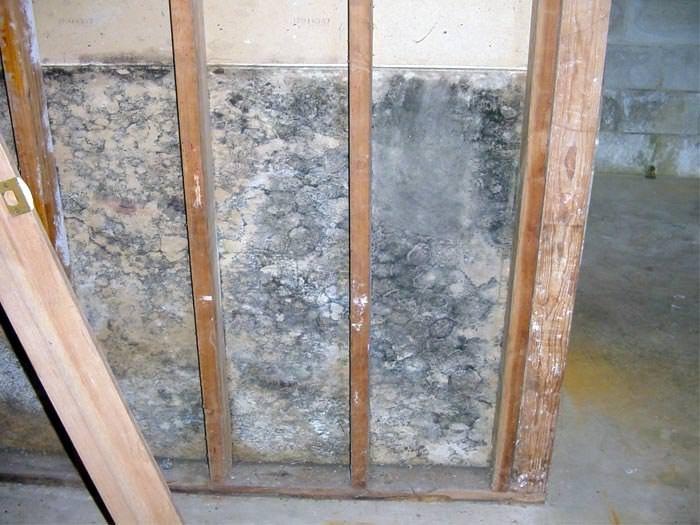
- Tell you how far the mold has spread
- Identify hidden mold behind walls or under floors
This leads to confusion. You get a report full of numbers but no clear direction on what to fix first.
That is where costs start adding up.
Mistake #2: Relying Only on Air Samples
🧪 Air Sampling and Lab Testing in Progress
Air sampling is one of the most common types of mold testing. It sounds advanced, but it has limits.
Air quality results can change based on:
- Airflow in the home
- HVAC systems running or off
- Open windows or doors
- Time of day
Because of this, results can be inconsistent.
You might get a “normal” reading even when mold is hiding behind a wall. Or you might get a high reading without knowing where it is coming from.
That means you are still guessing.
Mistake #3: Ignoring the Source of Moisture
Mold does not grow without moisture. That is the real problem.
A mold inspector knows that finding the water source is just as important as finding the mold.
Common moisture sources include:
- Leaking pipes
- Roof damage
- Poor ventilation
- High humidity levels
If you focus only on mold testing and ignore the moisture issue, the mold will come back.
That leads to repeat repairs and higher costs over time.
Mistake #4: Tearing Into the Wrong Areas
🛠️ Unnecessary Wall Removal During Mold Search
Without knowing the exact location of mold, some homeowners or contractors start opening walls just to “see what’s there.”
This is one of the most expensive mistakes.
It can lead to:
- Unnecessary demolition
- Damage to unaffected areas
- Higher labor and repair costs
Instead of solving the problem, it creates a bigger one.
Mistake #5: Skipping Advanced Detection Methods
🐕 Mold Sniffing Dog Pinpointing Hidden Mold
One of the biggest mistakes is not using the right tools for the job.
A mold sniffing dog is trained to detect the exact scent of mold at its source.
This allows a mold inspector to:
- Pinpoint hidden mold quickly
- Avoid unnecessary damage to the home
- Focus remediation efforts only where needed
Instead of guessing, you get clear answers right away.
That precision can save thousands in repair costs.
How to Avoid These Mold Testing Mistakes
If you want to protect your home and your budget, take a smarter approach.
Focus on:
- Finding the exact source of mold
- Identifying moisture issues early
- Using targeted detection methods
- Avoiding unnecessary demolition
The goal is not just to confirm mold is present. The goal is to locate it, understand it, and fix it the right way.
The Smarter Way to Handle Mold Problems
Mold testing has its place, but it should not be your only strategy.
A skilled mold inspector looks at the full picture:
- Where the mold is coming from
- How it is spreading
- What needs to be fixed first
When you combine experience with tools like a mold sniffing dog, the process becomes faster, clearer, and more cost-effective.
Take Control Before Mold Costs You More
Small mistakes in mold testing can turn into big expenses fast.
The difference comes down to this. You can guess and hope for the best, or you can take a targeted approach that finds the problem at its source.
If you want real answers and a clear plan, work with a mold inspector who goes beyond basic mold testing and uses proven methods to locate hidden mold.
Ready to avoid costly mistakes and finally solve your mold problem?
Schedule a professional mold inspection today and get answers you can trust.