What Mold Testing Actually Tells You
Mold testing sounds like the best first step. It feels scientific and detailed.
Most mold testing includes:
- Air samples taken inside the home
- Surface samples from visible areas
- Lab analysis of mold spores
After testing, you get a report that shows:
- Types of mold present
- Spore levels
- Comparison between indoor and outdoor air
That sounds helpful, but here is the issue.
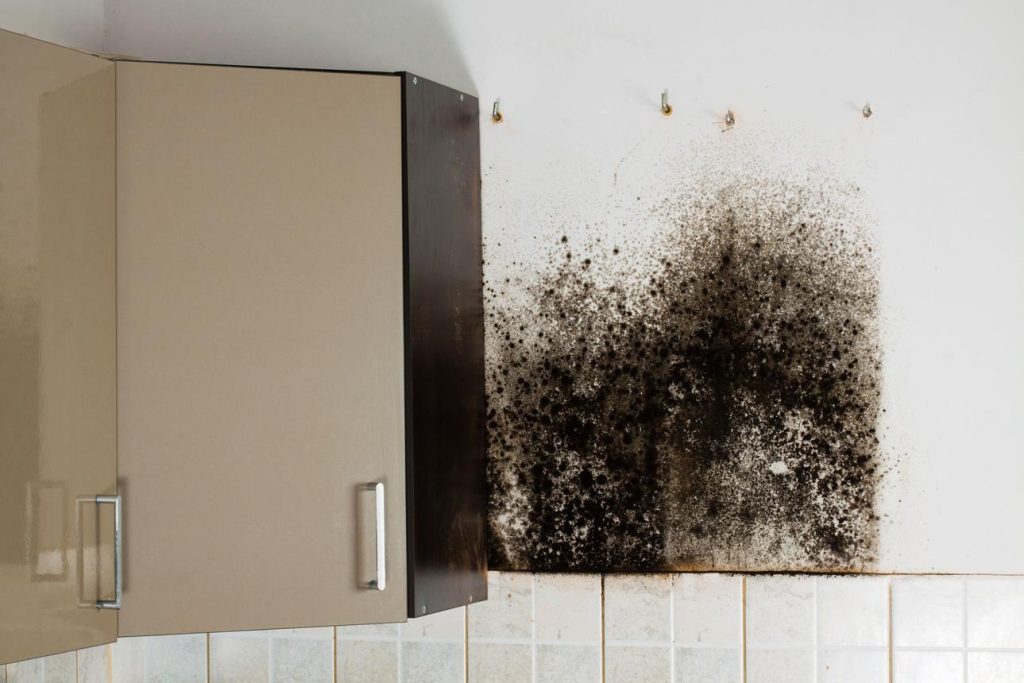
The report tells you mold is present. It does not tell you exactly where it is growing.
That means you still have to find the source before you can fix the problem.
The Hidden Limitations of Mold Testing
Why Results Can Be Misleading
This is where many homeowners get stuck.
Mold testing can be affected by several factors:
- Air movement inside the home
- HVAC systems running or off
- Time of day samples are taken
- Weather and humidity levels
Because of this, results can change quickly.
Common issues with mold testing include:
- It may miss mold hidden behind walls or floors
- It can show mold that is not causing the main problem
- It does not guide you to the exact repair area
So even after spending money on testing, you may still be guessing where to start.
What a Mold Inspector May Not Say
Not every mold inspector explains this clearly.
Here is what often gets left out:
Testing is not locating
Mold testing confirms presence, not the source
You may still need more inspection
After testing, you often need another step to find the mold
Costs can increase quickly
Without knowing the exact location, repairs may involve opening multiple areas
This is why many homeowners feel frustrated after getting their results.
They have data, but no clear plan.
A Smarter Approach to Finding Mold
How a Mold Sniffing Dog Finds the Source
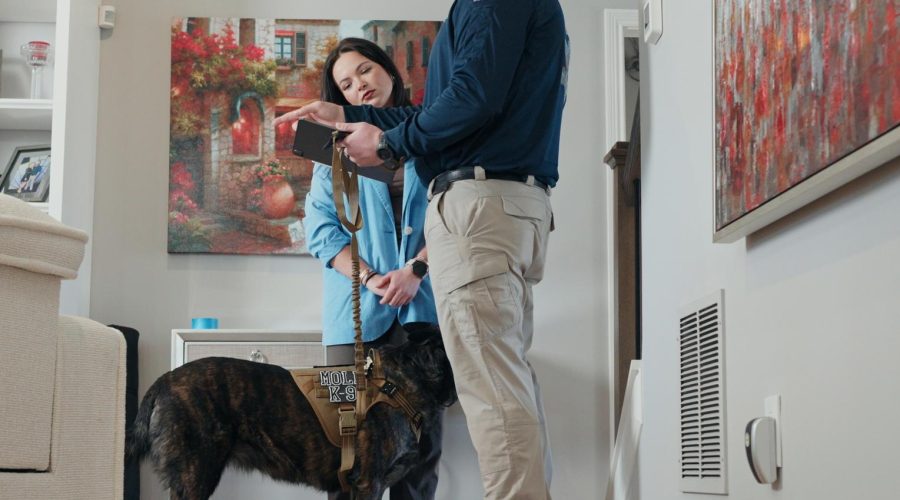
Instead of guessing, a mold sniffing dog focuses on one goal. Find the exact source.
A trained dog can:
- Detect mold behind walls
- Identify hidden moisture areas
- Locate mold under flooring
- Pinpoint the strongest source of contamination
This gives you something mold testing cannot provide.
A clear starting point for repair.
With this approach, you fix the problem at its source instead of chasing it.
When Mold Testing Still Makes Sense
Mold testing is not useless. It has a place when used the right way.
You may want mold testing if:
- You need documentation for insurance
- You are dealing with legal or rental issues
- You want to confirm air quality levels
- You need before and after proof of remediation
The key is understanding its role.
Testing should support the process, not replace finding the source.
FAQs About Mold Testing and Mold Inspection
Is mold testing enough to fix a mold problem
No. It tells you mold is present, but you still need to locate the source to fix it properly.
Can mold testing miss hidden mold
Yes. Mold behind walls, under floors, or inside systems may not show clearly in air samples.
Should I hire a mold inspector first
Yes. A professional mold inspector can help guide the right approach and avoid wasted costs.
Is a mold sniffing dog better than testing
For finding the exact location, yes. It gives fast and precise results that testing alone cannot provide.
Know What You Are Really Paying For
Mold testing gives information, but it does not solve the problem by itself.
If you rely on testing alone, you may spend more time and money trying to figure out where the mold is hiding.
A better approach is to focus on locating the source first, then use testing if needed for support.
If you want real answers and not just a report, contact a professional mold inspector who uses a mold sniffing dog and get clarity fast.